
The East and Southeast Asian Community Centre (ESEACC) is driving systemic change for the UK's fastest-growing minority group by pioneering a unified ESEA identity and delivering both frontline support and long-term advocacy. As a community-led hub improving the social and cultural wellbeing of East and Southeast Asian communities across London, ESEACC also provides vital survival infrastructure for those excluded from mainstream services.
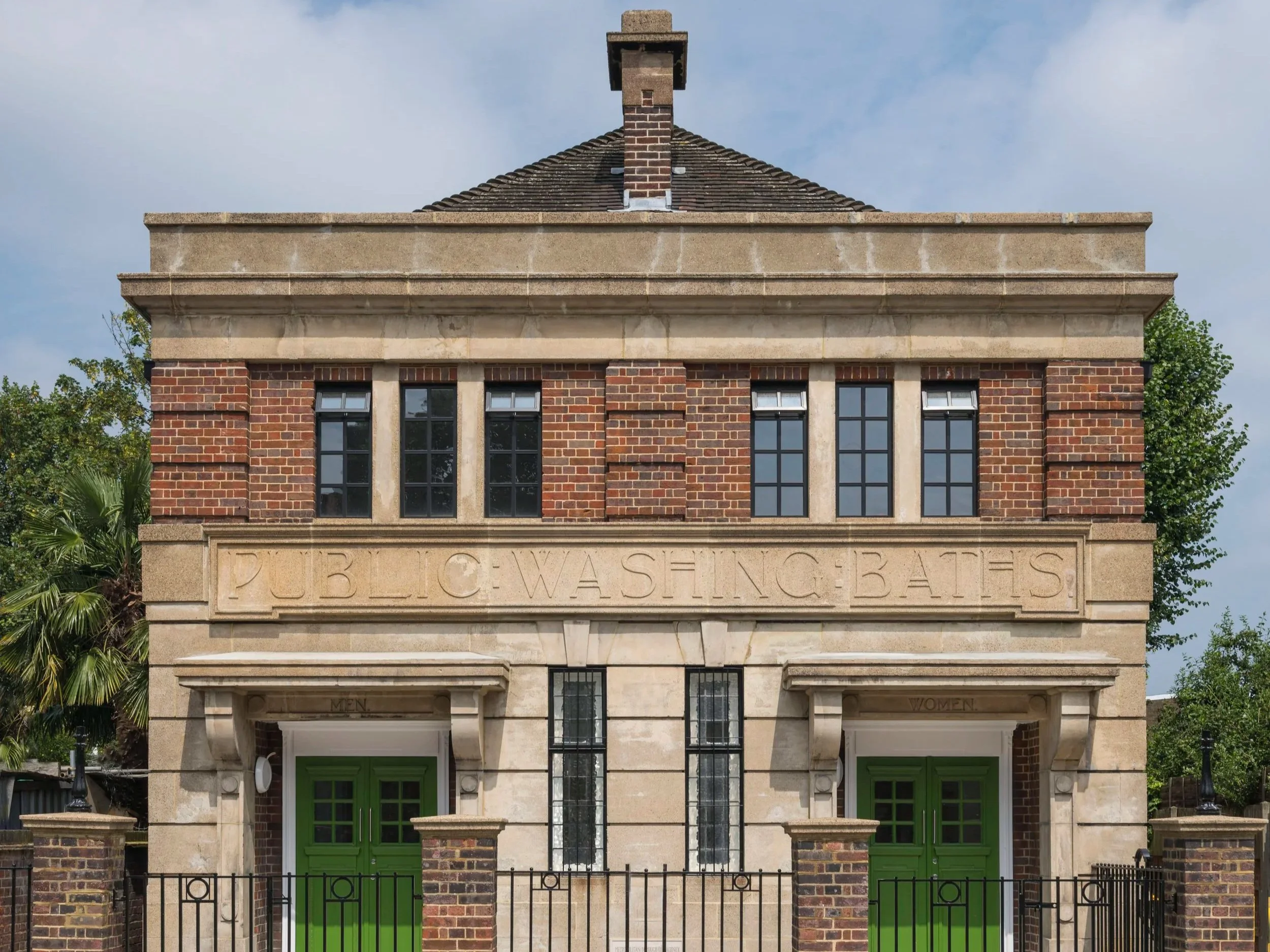
Established in 1985 and formerly Hackney Chinese Community Services (HCCS), ESEACC became the first community centre in the UK to serve all East and Southeast Asian communities when it moved to its new premises. Despite cultural differences, the centre recognises that Chinese and other ESEA communities share common experiences of appearance-based racism, economic hardship and exclusion from public services.
Whilst London's ESEA population is rapidly growing, ESEA experiences remain overlooked within broader "Asian British" frameworks. Non-Chinese ESEA are lumped into the "Other Asian" category in official statistics, meaning ESEA poverty, unemployment, housing conditions and NRPF impacts are omitted from official data.
"Without data there is no evidence, and without evidence there is no policy," said David Tam, centre manager of ESEACC. "This invisibility is itself part of systemic injustice. Our mission is to make the ESEA community visible, not only in statistics, but in policy, resource allocation and public consciousness."
ESEACC's approach demonstrates how frontline service delivery can drive systemic change. For decades, the centre has provided survival infrastructure for those excluded from the mainstream, with services including a subsidised elderly luncheon club, women's support, benefits and legal advice, hate crime advocacy, and housing support.
Critically, ESEACC uses insights from frontline work to challenge the systems that create economic hardship. Previously, as Hackney Chinese Community Services, the centre was the only Chinese organisation to lobby for the establishment of the Hong Kong Welcome Programme, delivering mental health and destitution support services for Hong Kongers arriving in the UK. Its joint paper recommending systemic structures to support this group was presented to the GLA Hong Kong BN(O) response meeting, attended by the Home Office, local councils and the Met police.
"The problems we see daily in our casework, including destitution as a result of No Recourse to Public Funds, tied visas, skills waste, wage theft, are not individual failures," said Yan Ma, Head of Finances, "They are structural and ingrained into the systems in which we operate. Documenting these patterns, helps us to advocate for policy change, and build community power so that ESEA people can shape the decisions that affect their lives."
ESEACC builds community power through lived experience leadership and collective advocacy. Its membership-based model ensures that trustees are elected annually by members who are active users of the centre's services. Its trustees are ESEA, and the staff intentionally includes representation of women, first and second generation migrants, disabled, LGBTQIA, Hong Kong BN(O) status holders, retired and low-income groups. The centre's intersectional identity programmes, including ESEA Heritage Month, LGBTQIA month, film and book clubs, supper clubs and local campaigns, create spaces for members to connect personal experiences to collective analysis.
Despite funding challenges, ESEACC has consolidated its frontline services through community financial support and increased private and corporate sponsorship. The centre continues to seek funding to expand its services, protect and support the vulnerable, train community leaders, and continue campaigning for the advancement of the ESEA community. Please visit our donation page if you would also like to contribute to our centre.
"We have demonstrated decades of experience turning lived experience of economic injustice into both direct support and systemic advocacy," said Sarah Yeh. "With continued support, we can ensure that the ESEA community is not just surviving, but helping to shape the future of London."